
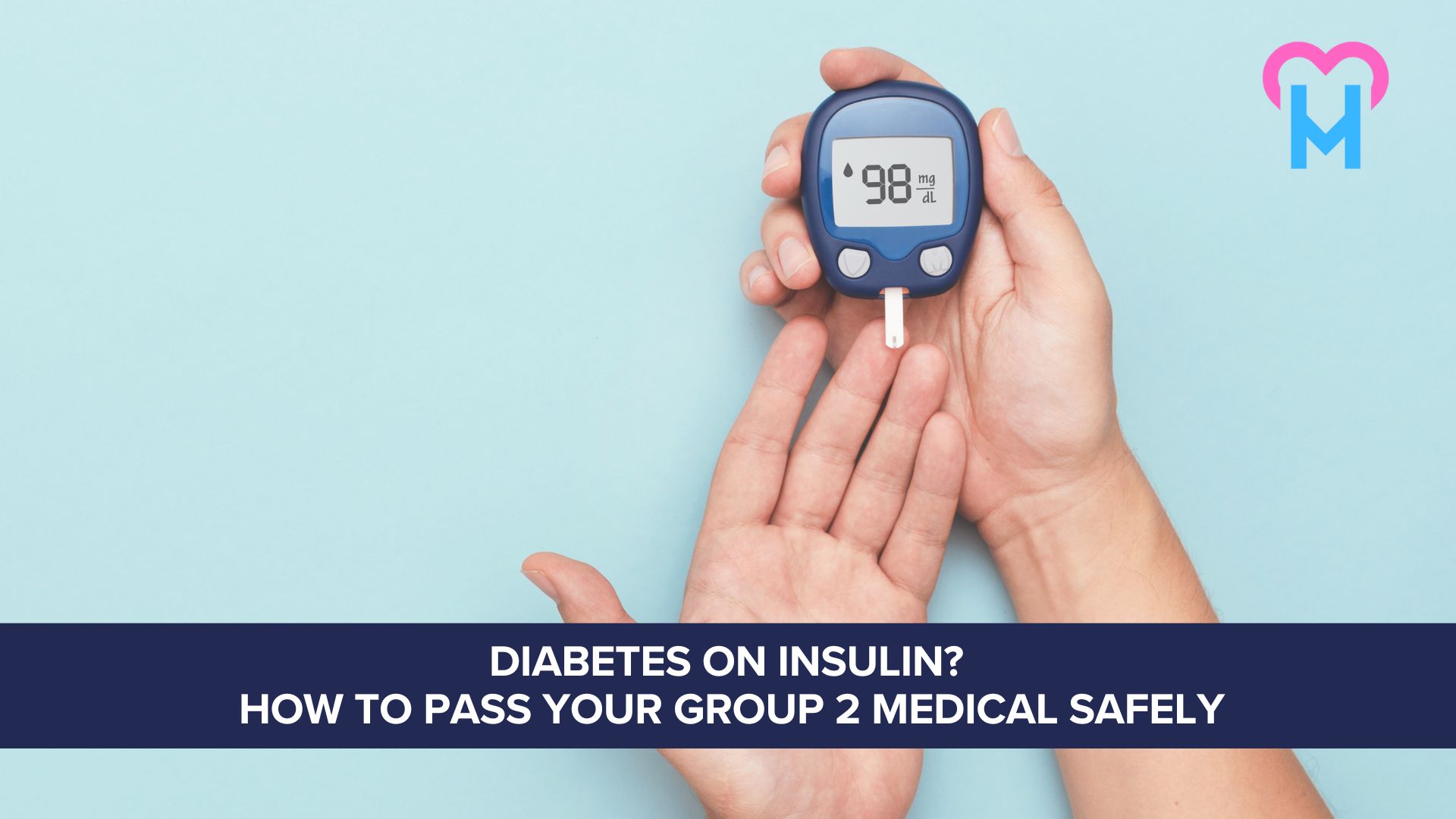
Living with diabetes and driving professionally can seem complicated, but it doesn’t have to be. Many drivers on insulin safely hold a Group 2 licence by keeping their blood sugar stable and showing good awareness of their condition. The DVLA now recognises that well-managed diabetes doesn’t stop someone from being fit to drive. Passing the medical is mostly about preparation, consistency, and clear communication with your doctor. With that in mind, let’s look at what you need to know before your next HGV medical.
What does the DVLA require for insulin-treated Group 2 drivers?
The DVLA requires drivers on insulin to show stable control, awareness of low blood sugar, and regular glucose monitoring. You must use a blood glucose meter with memory or a continuous glucose monitor to record results before and during driving. Records should cover at least three months before the medical. The doctor checks this data along with your HbA1c and overall health. Once the standards are clear, knowing what to bring makes the day smoother.
What should be brought to the HGV medical if you take insulin?
You should bring your glucose meter, three months of readings, and your latest diabetes clinic or GP report. Include a list of current medications, insulin types, and doses. Bring identification and your D4 form to help the examiner complete the records quickly. Well-organised documentation shows responsibility and awareness. With papers in order, the next point is how the medical system itself works.
How does the HGV medical assess insulin-treated drivers?
The medical includes eyesight checks, blood pressure measurement, urine testing, and a review of your glucose control. The doctor will ask about your routine, diet, and any hypoglycaemic episodes. Consistent readings within the safe range and awareness of symptoms help demonstrate fitness to drive. You may need a supporting letter from your diabetes consultant if you recently changed treatment. If you meet all standards, the licence can be renewed without extra delay.
What counts as safe blood glucose for HGV drivers?
Safe driving usually requires a blood glucose level of at least 5 mmol/L before starting a journey and regular checks every two hours while driving. Levels below 4 mmol/L mean you must stop, treat the hypo, and wait until you recover fully. Keeping quick glucose snacks in the cab is a DVLA expectation. A consistent pattern above the safe limit shows good control. With readings steady, attention shifts to preventing sudden lows.
What causes hypoglycaemia and how can it be avoided on the road?
Hypoglycaemia can occur if insulin doses are too high, meals are missed, or long drives delay eating. Heat, illness, or exercise can also lower glucose faster than expected. To prevent this, plan regular meal stops and keep glucose tablets nearby. Continuous glucose monitoring helps spot early drops before symptoms begin. Avoiding sudden lows keeps both safety and your licence intact.
Do doctors check for past or severe hypo events during the exam?
Yes, they do. The doctor will ask if you’ve had any severe hypoglycaemia requiring help from another person within the last 12 months. Even one serious episode must be declared and may require further review before renewal. Most drivers pass if they demonstrate good awareness and recovery time. Keeping detailed logs helps clarify any past incidents. Once that’s addressed, reporting duties come next.
When should insulin-treated drivers inform the DVLA?
Drivers must inform the DVLA when starting insulin treatment or if their diabetes control changes significantly. Reporting promptly avoids penalties and ensures medical forms stay up to date. You should also update the DVLA after hospital admissions related to hypoglycaemia. Clear, early communication prevents licence suspension or delays. After reporting, keep up with routine checks to stay compliant.
How often must insulin-treated drivers renew their Group 2 licence?
Insulin-treated HGV drivers must renew their medical every 12 months. This ensures consistent oversight and early action if control changes. Renewal appointments are usually straightforward when logs and letters are ready. Booking early prevents licence gaps during busy work periods. With timing understood, preparation is the next step.
How can drivers prepare for their Group 2 medical with diabetes?
Start by checking glucose logs for consistency and ensure devices have working memory or printouts. Review medication and HbA1c with your GP at least a month before the medical. Make sure you can explain your routine clearly, including how you handle low readings. Sleep well before the appointment and eat normally to avoid false lows. A calm, organised approach shows control and responsibility.
Can HGV Medical help insulin-treated drivers meet the standard?
HGV Medical supports insulin-treated drivers by checking blood pressure, vision, glucose records, and treatment plans in one appointment. The service ensures your documents meet DVLA Group 2 requirements before submission. Guidance is given on glucose monitoring frequency, diet timing, and doctor follow-up. The aim is to make renewal easy and stress-free. With expert help, passing your medical becomes routine.
Staying Safe and Licensed With Diabetes
Managing diabetes with insulin does not end a driving career; it just requires steady control and planning. Regular testing, clear documentation, and honest communication keep both you and your licence safe. Preparing early prevents last-minute problems or delays. Each check becomes easier with consistent habits and awareness. For drivers managing diabetes, it’s also worth reviewing eyesight rules for HGV drivers to ensure every aspect of your medical fitness, including vision, stays up to standard. With the right approach, drivers stay healthy, confident, and ready for the road.